Blog
Long reads and editorial notes. For quick answers, see questions. If you want to describe your situation, try Ask.

Why the same deficit works differently: load and recovery context
A 300–400 kcal deficit can work great one week and barely move the next. The difference is context: load, sleep, stress, and recovery.

Ranges instead of exact numbers: how they protect recovery
Exact targets look clean, but often create stress and make recovery worse. Ranges are more realistic, calmer, and more sustainable.

WHOOP Scores Explained: Recovery & Strain
WHOOP recovery, strain and HRV explained: what the scores reflect, how to spot trends vs daily noise, and who benefits most from tracking.

Re-Entry Blues: A Calm 3-Day Reset After Time Off
Routine feels hard after time off. Try a gentle three-day reset: one sleep anchor, one short priority list, and one simple work boundary.
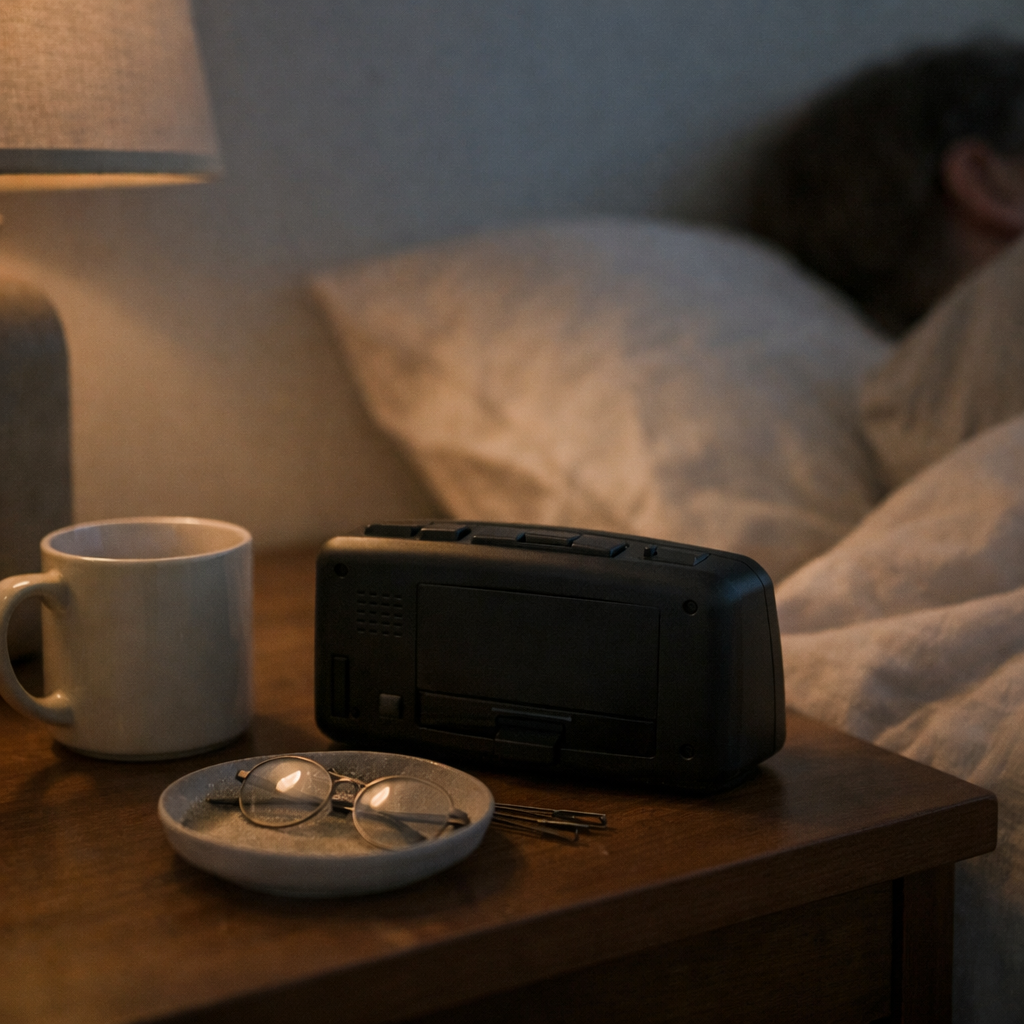
The “Early Alarm Wake-Up” Pattern: What’s Really Happening
Non-medical reasons you wake too early-body clock drift, light/noise, anticipation, and timing-plus simple experiments to identify your cause.

Why weekends sometimes leave us more tired - the human context
Sometimes the weekend doesn’t “restore” us - it quietly adds to the fatigue. A reflection on shifted routines, plans, errands, and that familiar Monday feeling.

Why we feel tired without training: energy drains outside the gym
Fatigue without workouts is often about the weekly background: sleep timing, mental load, stress, and an uneven rhythm.

Knee pain after running: load, patterns, and recovery
Why the knee can start hurting after runs, how to think in patterns instead of diagnoses, what usually drives overload, and how to test hypotheses with a calmer 7-14 day plan.

Muscles Sore After a Workout: DOMS, Training Load, and Recovery
Why soreness often peaks on day 2, how DOMS differs from overload, and how to connect what you feel with load, sleep, and tracker trends.

Night leg cramps: load, sleep, and the most common patterns
Why calves or feet can cramp at night, what patterns are most common, how to connect cramps to training load, sleep, and weekly stress, and how to test hypotheses calmly over 7-14 days.

Daylight saving time and sleep: why one hour can disrupt a whole week
How clock changes affect circadian rhythm, why it can feel like mini jet lag, and what people often see in wearable trends.

Late dinner and sleep: why your metrics can dip without an obvious trigger
What can happen when eating shifts closer to bedtime, and how it often shows up in sleep quality, HRV trends, and perceived recovery.

Sleep regularity: why schedule can matter as much as hours
How irregular sleep shows up in how you feel and in tracker trends, what Sleep Regularity Index means, and what to look at.

Types of trackers and how they differ
A short overview of form factors, brand focus, and how to read tracker metrics without false expectations.