Daylight saving time and sleep: why one hour can disrupt a whole week
How clock changes affect circadian rhythm, why it can feel like mini jet lag, and what people often see in wearable trends.
Author: Recovery Club

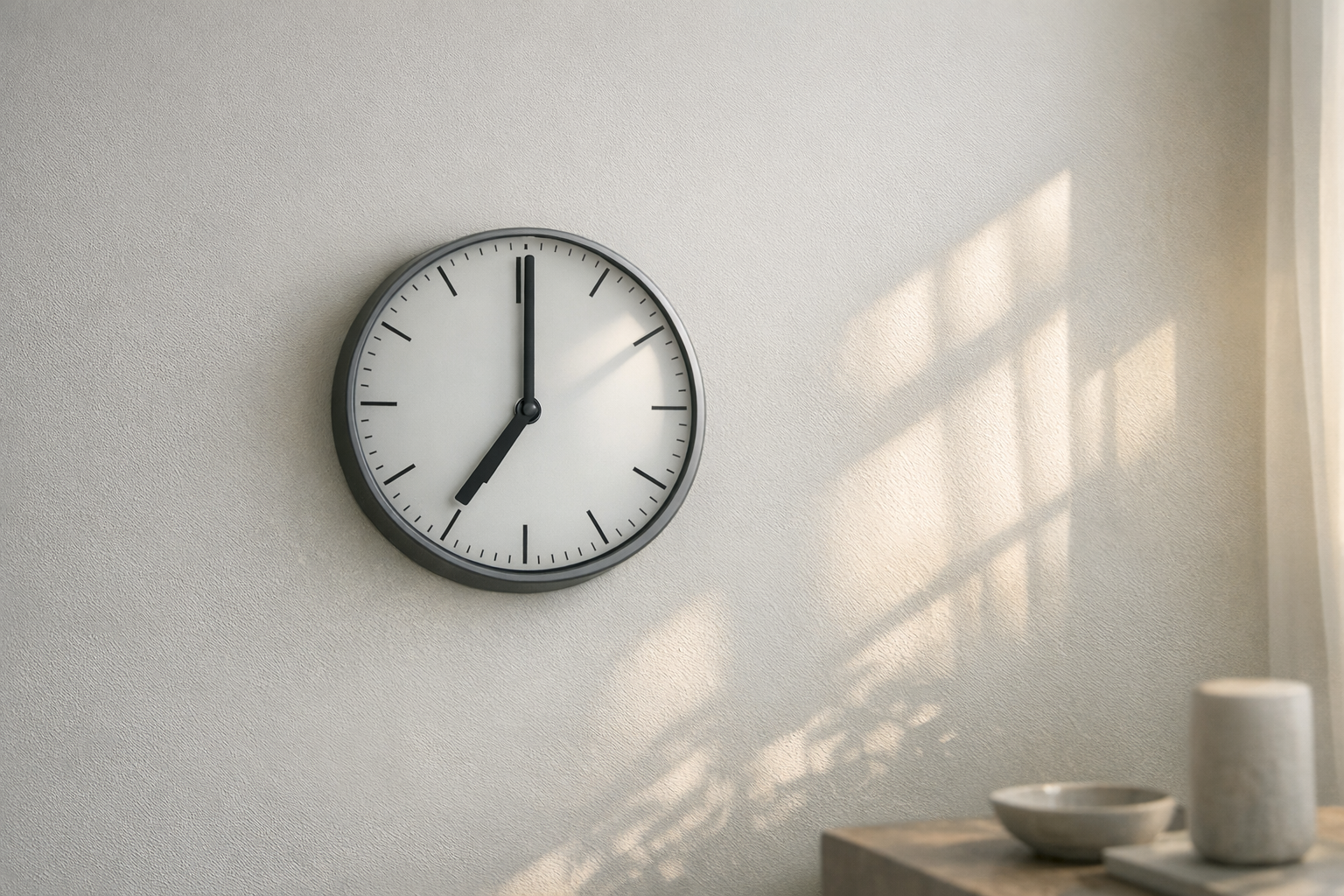
The clock change looks small: “just one hour”. But for many people it can feel like mini jet lag. In wearables it may show up as a lower HRV trend, slightly higher morning heart rate, later sleep onset, and more fragmented nights.
Why one hour can feel like travel
Your internal timing (see circadian rhythm) does not switch instantly. When social time changes, the body can keep the old schedule for several days. Add stress and early alarms, and the effect becomes louder.
Morning light is a key part of the story. It helps the brain “lock in” the new day. That is why spring forward, when mornings become darker, is often harder than fall back.
What tends to show up in your metrics
Responses vary, but common patterns include:
- Sleep timing shifts (later bedtime or earlier wake time).
- More awakenings during the first week.
- A dip in HRV and recovery trend.
- Slightly higher morning heart rate.
If you want a calmer framework for the data, start here: How recovery, HRV, sleep, and load relate.
Dates for 2026 (where DST exists)
Dates depend on the country. For example:
- United States: spring forward on March 8, 2026, fall back on November 1, 2026.
- Europe: summer time starts on March 29, 2026, ends on October 25, 2026.
How this differs from just “not enough sleep”
With sleep loss, the main issue is quantity. With clock changes, the issue is often alignment: you may sleep outside your usual window, which can feel worse than one short night.
If the feeling resembles travel, this guide can help: Flights and jet lag: how to recover.
Read next
Sources and further reading
- American Academy of Sleep Medicine: why DST is harmful and why permanent standard time aligns better with biology. https://aasm.org/aasm-explains-why-daylight-saving-time-is-bad/
- Timeanddate: DST dates in 2026 (US and Europe). https://www.timeanddate.com/time/dst/2026.html
Prepared by the Recovery Club editorial team.
This is not medical advice. We use tracker data, research, and editorial experience, but we do not make personal recommendations.
Describe your situation in Ask - it will suggest related materials.
Open Ask