Late dinner and sleep: why your metrics can dip without an obvious trigger
What can happen when eating shifts closer to bedtime, and how it often shows up in sleep quality, HRV trends, and perceived recovery.
Author: Recovery Club

Some weeks feel odd: training looks similar, stress is not dramatically higher, total sleep time is not collapsing, but your tracker trends look worse. HRV drifts down, recovery feels lower, sleep feels lighter. One quiet reason can be simple: your last meal moved closer to bedtime.
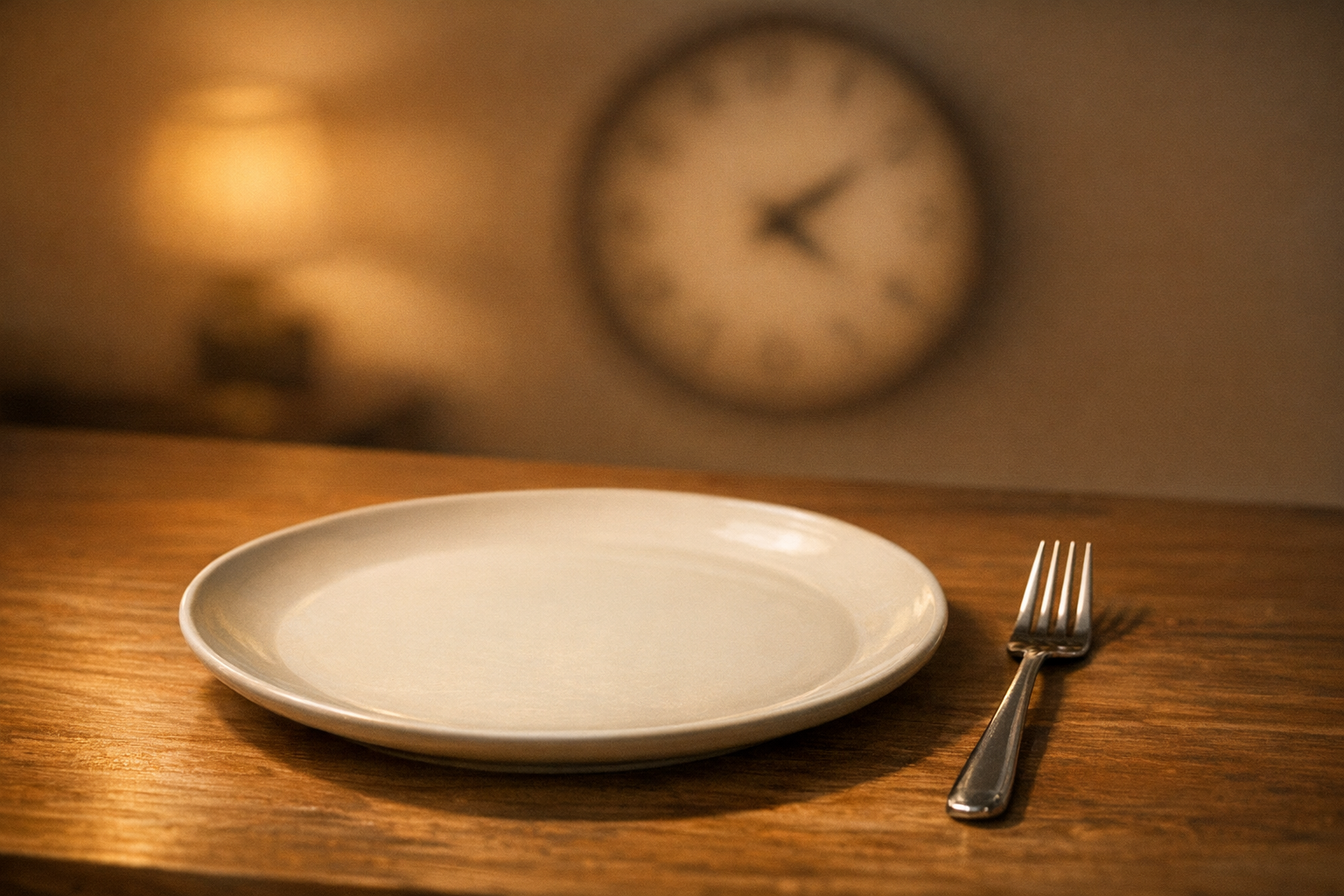
What counts as “late”
People have different schedules. For some, “late” means after 9 pm, for others after 11 pm. The key is less about the clock and more about the distance to sleep. When a meal lands in the last hours before bed, the body may take longer to settle.
How it can show up in sleep and wearable trends
Your tracker does not measure digestion directly, so the signal is usually indirect. Common patterns people notice:
- Sleep onset shifts later or sleep becomes more fragmented.
- Morning heart rate runs slightly higher and HRV trend slightly lower.
- You feel less recovered even when total sleep time is similar.
This is not universal, and one late meal does not have to change anything. But when it becomes a pattern, the graphs can follow.
How to separate food timing from other causes
Late eating often comes with other changes: working late, more screen time, extra caffeine, a drink. That is why it helps to compare weeks as bundles of conditions.
If you see a dip, compare two weeks:
- On which days your last meal was closer to sleep.
- Whether sleep efficiency and awakenings changed.
- Whether load and stress were also different.
If alcohol is in the picture, this guide is relevant: How alcohol affects sleep and recovery.
A calmer way to learn from it
Instead of “right vs wrong”, think in experiments: change one variable and watch trends. Many people see the clearest signal in morning heart rate, HRV, and awakenings.
If you want a simple baseline about sleep: Sleep quality vs quantity.
Common questions
What if I train in the evening and need to eat?
That is a normal scenario. The goal is not to follow someone else’s rules, but to understand your response. Some people find a workable compromise where food is there and sleep is still fine.
Why does sleep look “OK” but recovery is lower?
Because recovery scores combine multiple inputs, not just sleep. Load, stress, and overall background can matter. Related page: Why recovery is low even after good sleep.
Is this about nutrition or about schedule?
Often both. Late dinner can be a marker that the whole day drifted. This related post can help connect the dots: Sleep regularity: why schedule matters.
Sources and further reading
- American Heart Association (2024): meal timing, sleep, and risk overview. https://newsroom.heart.org/news/late-night-eating-and-sleep-can-impact-health-risks
- Nature Communications (2022): late dinner and circadian rhythms. https://www.nature.com/articles/s41467-022-28662-5
Prepared by the Recovery Club editorial team.
This is not medical advice. We use tracker data, research, and editorial experience, but we do not make personal recommendations.
Describe your situation in Ask - it will suggest related materials.
Open Ask