Types of trackers and how they differ
A short overview of form factors, brand focus, and how to read tracker metrics without false expectations.
Author: Recovery Club

Trackers can look very different. Some have a screen and lots of features, some are rings, others are chest straps for training accuracy. Inside, the goal is the same – show the background: sleep, load, recovery. This is a simple overview to help you choose and not expect miracles from the numbers.
Form factors
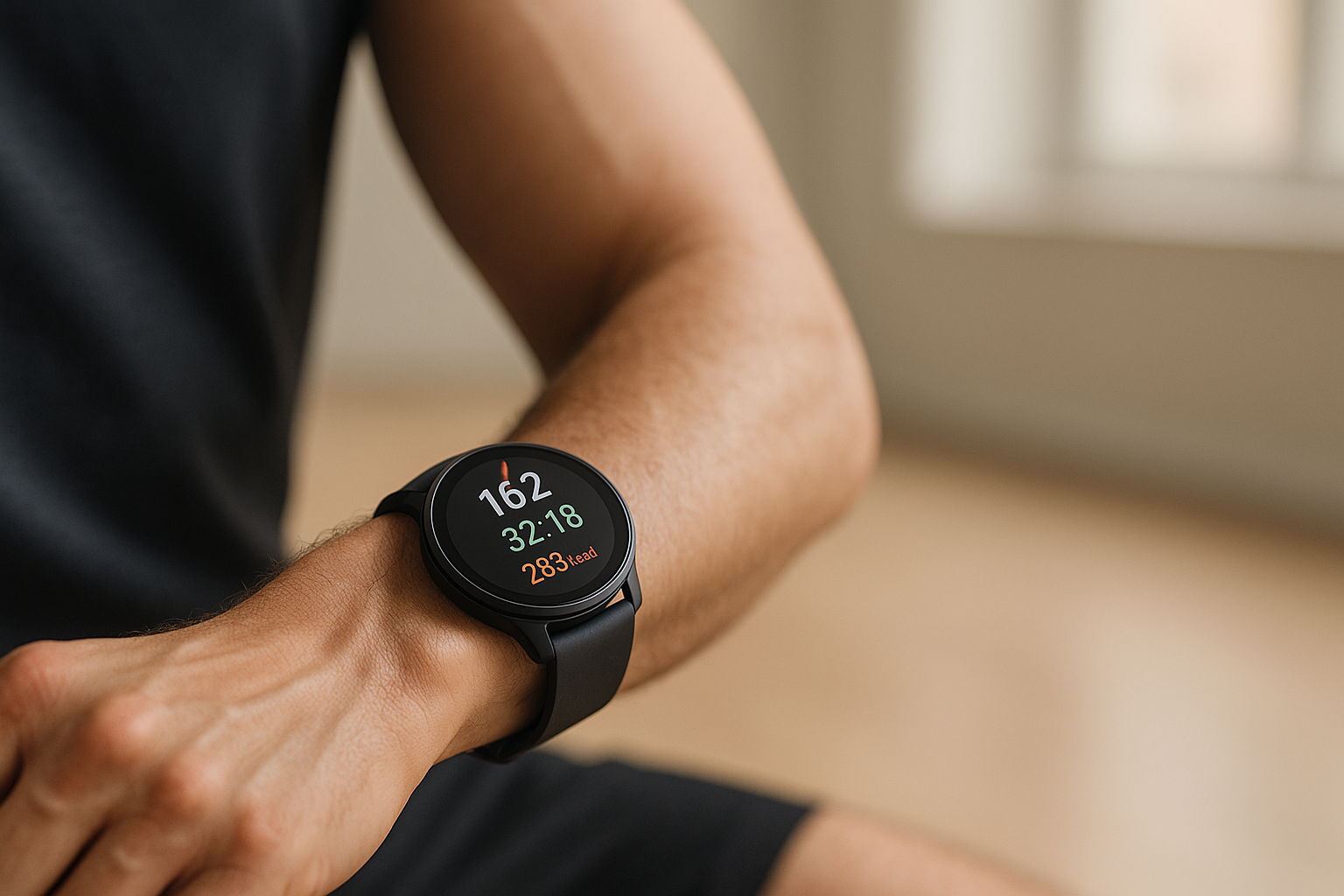
Watches. Good if you want a screen and quick access to data. Usually part of a bigger ecosystem with its own metrics and apps. Examples: Apple Watch, Garmin, Suunto, Coros, Samsung, Amazfit.
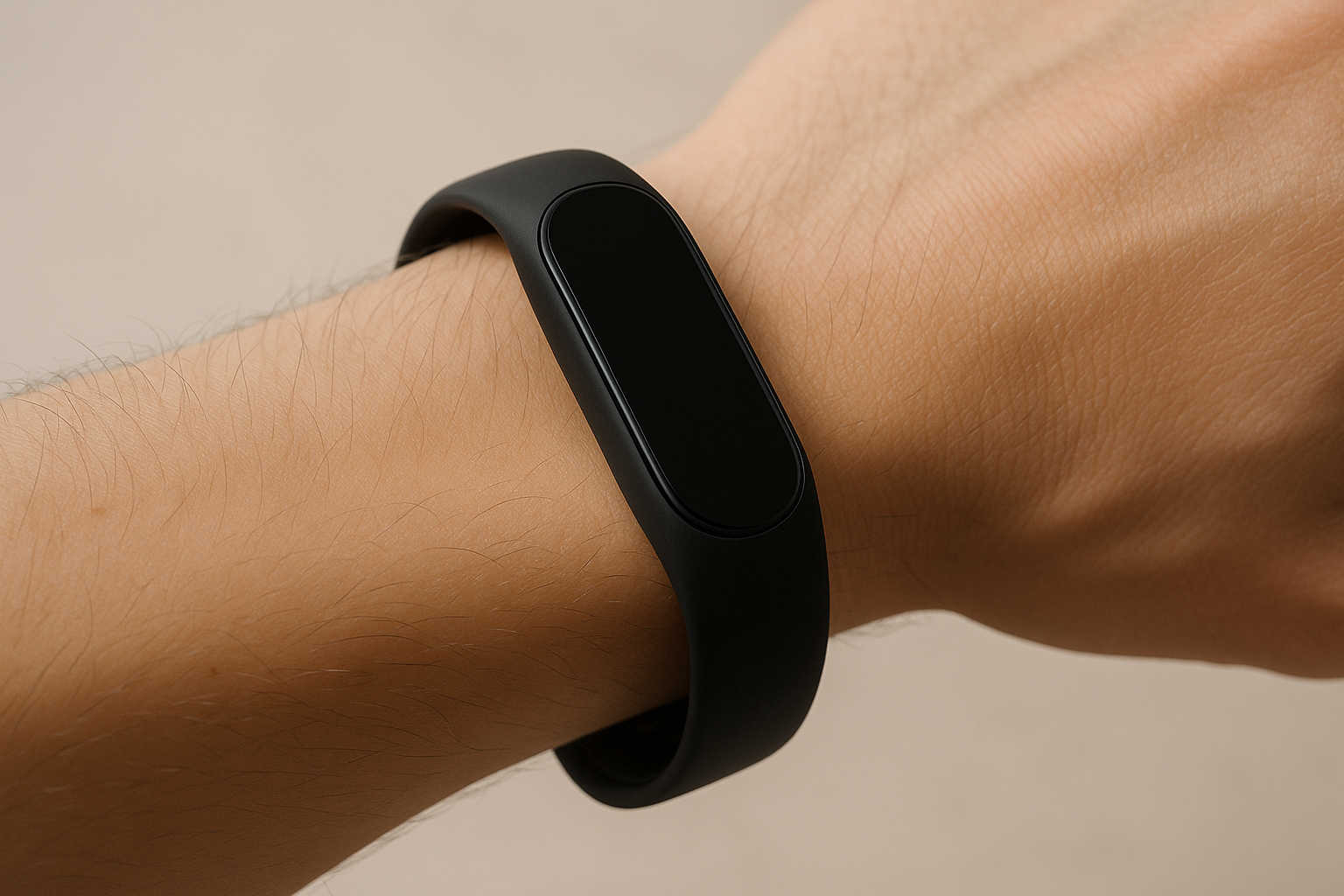
Bands. Usually lighter and simpler, often with longer battery life. The screen can be minimal or absent. Examples: Fitbit, Xiaomi, Huawei.
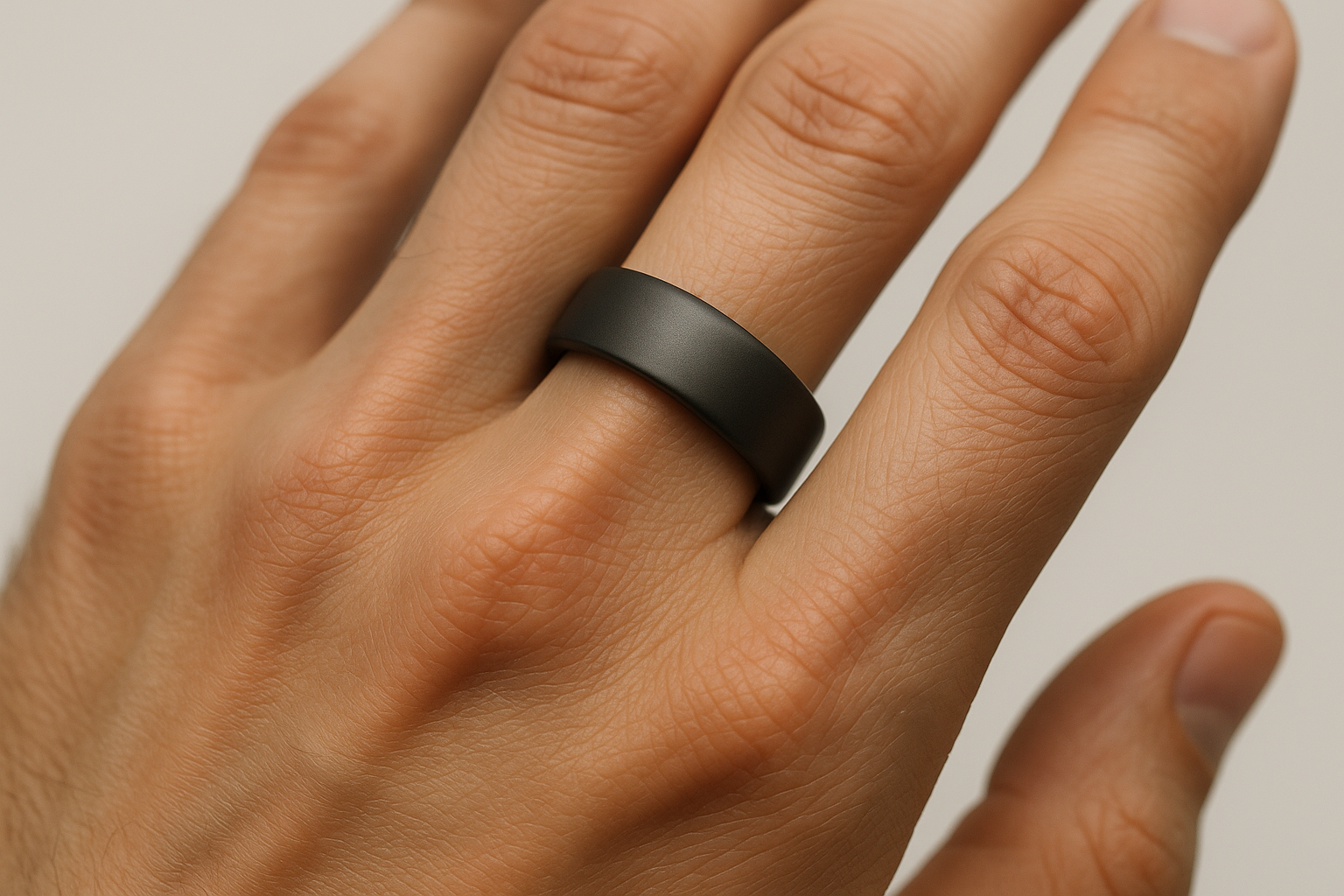
Rings. Easy to wear 24/7, often the main advantage. No screen, focus on passive tracking. Examples: Oura, RingConn.
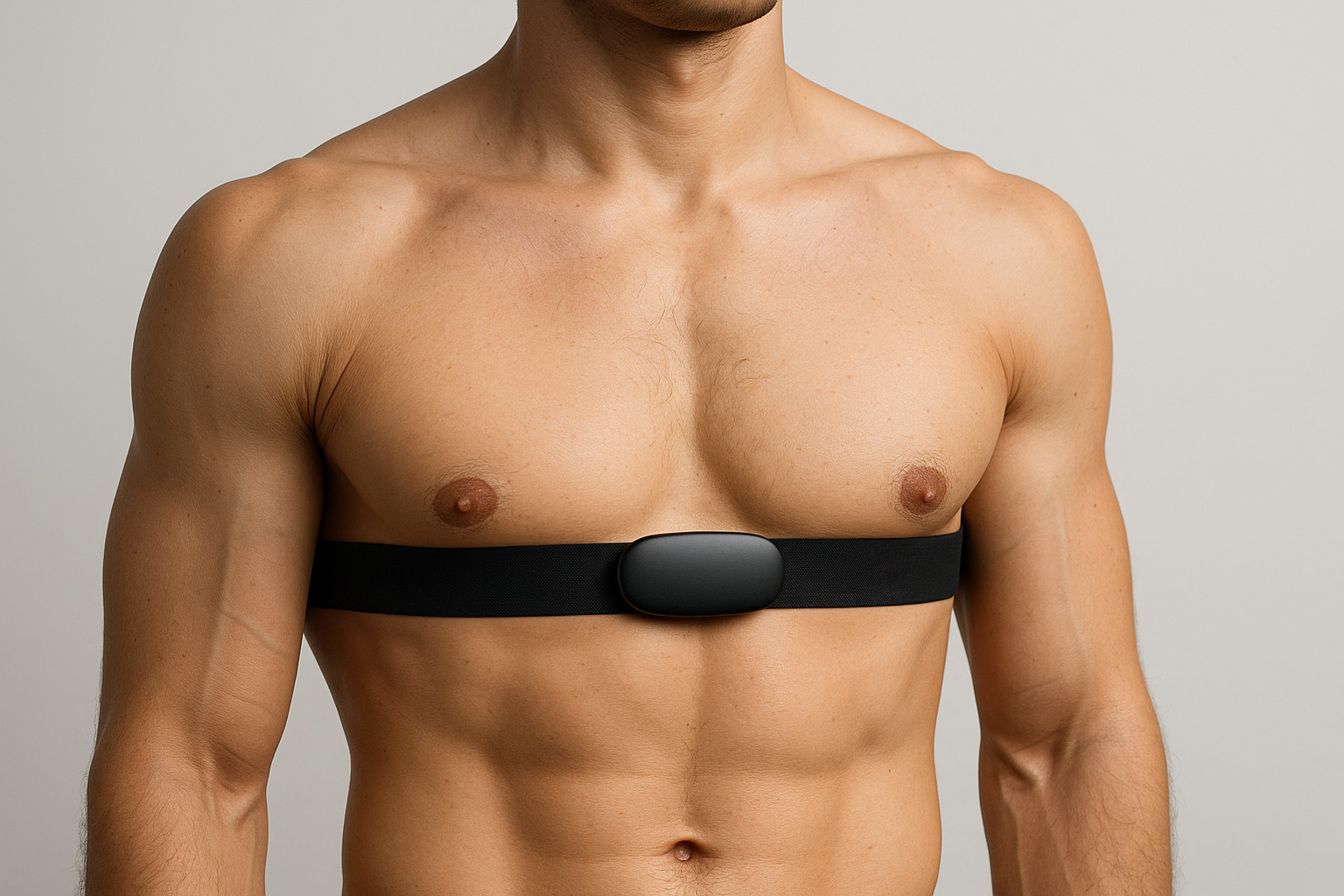
Chest straps. Commonly used for training accuracy. No screen, signal quality and compatibility matter most. Examples: Polar, Garmin.
What they measure
Most devices collect similar classes of data, but the algorithms differ. That is why numbers from different brands can feel inconsistent.
- Sleep and its structure.
- Load and activity.
- Heart rate and its variability.
- Recovery style indexes.
If you want to understand why numbers diverge, this guide helps: Why recovery metrics feel inconsistent.
How brand focus usually differs
This is not a ranking, just a quick look at typical positioning.
- Recovery first. Often has dedicated recovery scores and detailed sleep views. Examples: Whoop, Oura.
- Training first. Typically offers more training modes and load data. Examples: Garmin, Polar, Coros, Suunto.
- Ecosystem first. The tracker is part of a broader phone platform. Example: Apple Watch.
What people often compare
This is not advice, only a list of factors people usually consider.
- How often the device needs charging.
- Whether a screen is important.
- Subscription or no subscription.
- Where it feels best to wear it: wrist, ring, chest.
- Which metrics matter more in your context.
It helps to remember that devices show one version of reality, not the full truth. This is noticeable when you compare two brands across the same week.
If you want a calmer starting point
Prepared by the Recovery Club editorial team.
This is not medical advice. We use tracker data, research, and editorial experience, but we do not make personal recommendations.
Describe your situation in Ask - it will suggest related materials.
Open Ask