Guides
Long reads that help explain the background: sleep, fatigue, stress, load. No promises and no rigid instructions. For short answers use questions, for your own wording use Ask.
Latest

Why calories and macros fail without training and recovery context
Calories and macros are useful anchors, but without context they often feel “broken.” This guide explains how load, recovery, sleep, and real life shape the outcome—and how to make the numbers work.

What WHOOP Measures: Sleep, Recovery, Strain & Stress
Learn what WHOOP estimates (sleep, HRV recovery, strain, stress), what it can’t measure, and who benefits most from using it.

Getting Back Into Routine After a Vacation or Long Weekend
A practical guide to why re-entry feels surprisingly hard and how to reset your sleep, workload, and expectations without turning it into a punishment.
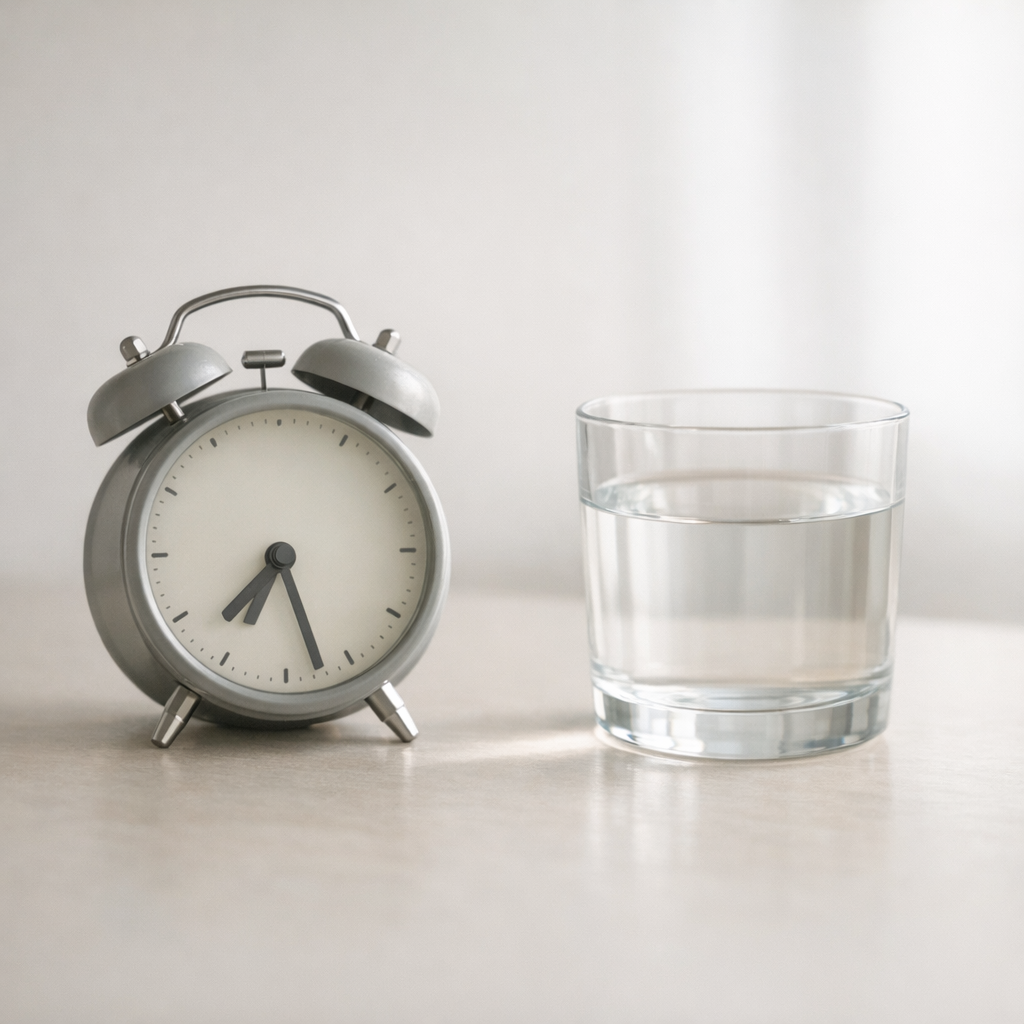
Waking Up Before Your Alarm: Practical Reasons and What to Try
A calm guide to why you might wake up earlier than planned-even after a solid night-and simple changes that can help you sleep until your alarm.

Why you can feel more tired after the weekend than after the workweek
A calm explanation of why weekends can leave you more tired: sleep timing shifts, social jet lag, and recovery that isn’t actually restful.

Waking Up at Night and Can’t Fall Back Asleep: What Sleep Fragmentation Often Means
Night awakenings can happen even with “normal” 7-8 hours. We break down awakenings, sleep fragmentation, stress, and context: why it often happens and how it connects to how you feel and tracker trends.
Where to start
Topics
How to read recovery and why it can drop.
What HRV means and why it changes.
Quality, quantity, stages, and common reading mistakes.
Strain, training, and days when everything feels heavier.
Cases like flights and jet lag: what usually happens.
Why metrics can be confusing and how to read them calmly.
Recovery
How to read recovery and why it can drop.

Recovery: what it is and how to read it
What really lies behind the recovery metric in trackers and why a single number does not describe the state. We analyze dynamics, avoid unnecessary conclusions, and understand how to make decisions about load.
January 21

Why Recovery is Low with Good Sleep - Sleep is Not the Only Factor
Recovery depends not only on hours of sleep. We analyze why the metric can be low even after a full night: stress, alcohol, accumulated fatigue, onset of feeling unwell, irregular schedule.
January 19
HRV
What HRV means and why it changes.

Resting heart rate: why your morning pulse can be higher
Morning resting heart rate (RHR) often reacts to sleep, stress, load, and the overall weekly background. Here are common reasons for an uptick and how to read trends without panic.
January 27

HRV: what it is and why it decreases
We analyze heart rate variability without mysticism: what this signal is, why it decreases, and where people most often make mistakes in interpretation.
January 21

Low HRV for 3 Days - What Does It Usually Mean
One day of low HRV is often noise. If the background persists for several days, it is more often about fatigue, stress, or load, rather than a 'breakdown'.
January 19
Sleep
Quality, quantity, stages, and common reading mistakes.

Napping: how it affects night sleep and recovery
A nap can reset your day, or it can make the evening heavier. Here is how short and long naps differ, why sleep inertia happens, and how to read it in wearable trends.
January 27

Sleep inertia: why mornings can feel foggy
Sleep inertia is the transition period after waking up when your brain needs time to switch on. Here is why it happens, what you might see in wearable trends, and why one metric rarely explains the feeling.
January 27

Sleep: Quality vs Quantity
Sometimes 6 hours of sleep feel lighter than 9 with awakenings. But when sleep deprivation accumulates over weeks, one 'good night' usually doesn't make up for it. We analyze the architecture of sleep and its effectiveness.
January 21

How Alcohol Affects Sleep and Recovery - Helps Fall Asleep, but Worsens Recovery
Alcohol helps you fall asleep faster, but suppresses REM phase and fragments deep sleep. We analyze the mechanism of its influence on HRV, resting heart rate, and sleep architecture - even with sufficient duration.
January 19

Caffeine and Sleep: Timing, Half-Life, and Why It Lingers
Caffeine can affect sleep even if you do not feel alert. We explain half-life, timing, and why sensitivity differs between people.
January 19
Load
Strain, training, and days when everything feels heavier.

Deload week: why and when - strategic reduction of load, not skipping workouts
Deload is a planned reduction of load by 40-60% to give the body time to recover. We discuss why workouts often feel easier after a break.
January 21

Strain: how not to overdo it with load
Strain tries to describe load with a single number. We analyze how it relates to Recovery and why sometimes the overall background is more important than 'hitting' the number.
January 21
Practical
Cases like flights and jet lag: what usually happens.

Context
Why metrics can be confusing and how to read them calmly.

These are editorial materials. We do not provide medical advice and do not make diagnoses.